
Yoga Nidra: 10 Minutes That Equal 2 Hours of Sleep
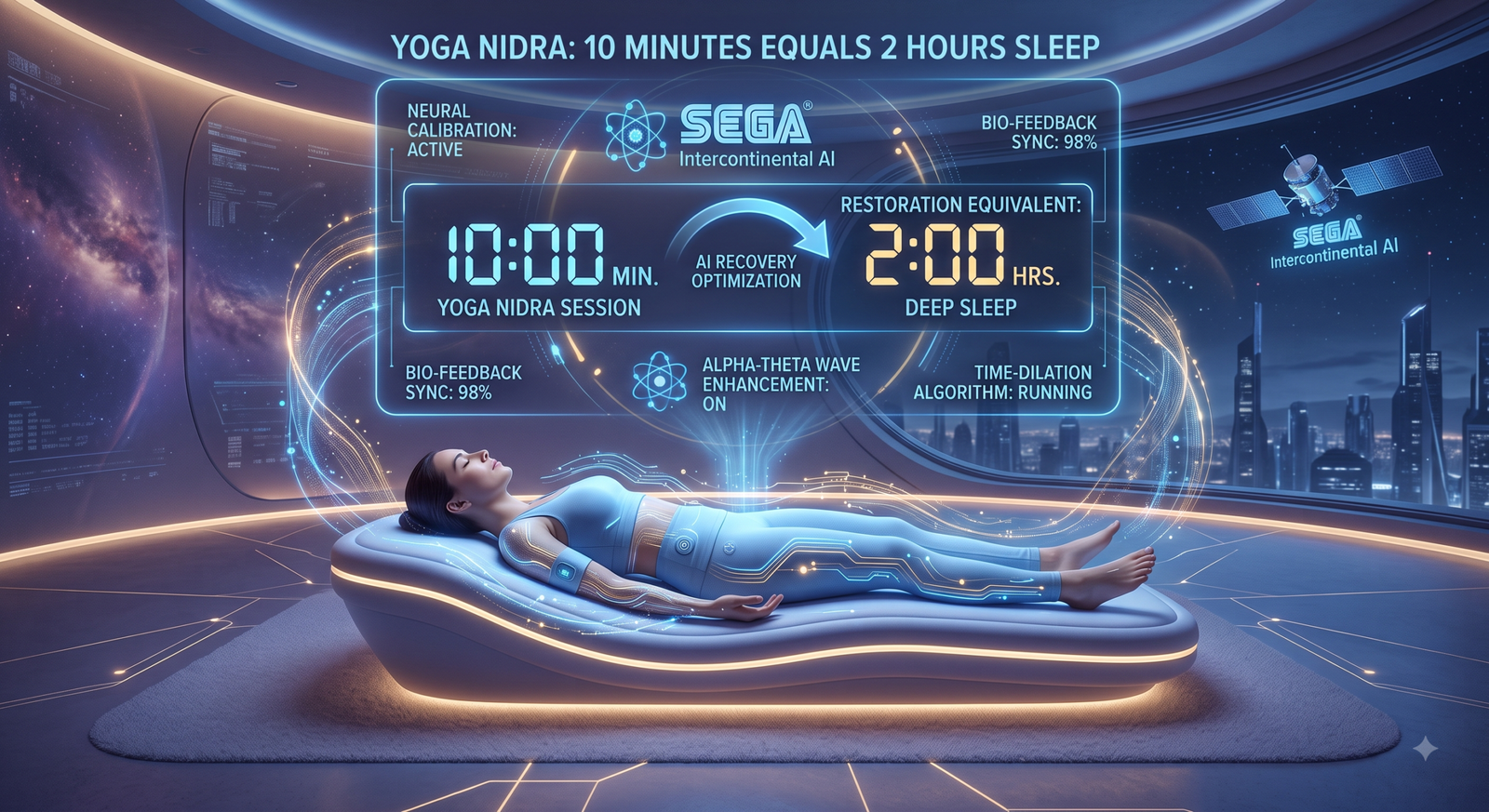
Yoga Nidra is 'yogic sleep' — a guided body-scan practice that induces the same deep restorative brain state as sleep, in far less time. Ten minutes of Yoga Nidra can feel like a two-hour nap.
This tip is scheduled for Sunday 4 October 2026 — you’re early. It’s all here already; enjoy.
How to do it
- Lie flat on your back. Use a pillow under the head, a small cushion under the knees if the lower back needs support.
- Cover yourself with a light blanket — body temperature drops during the practice.
- Close your eyes. Take three deep breaths, then breathe naturally.
- Slowly move your awareness through the body: right thumb, index, middle, ring, little fingers... then right palm, wrist, elbow, shoulder... then left hand the same way... then chest, belly, hips, legs, feet.
- As awareness passes over each body part, silently name it and consciously let it relax.
- Once you have scanned the whole body, rest in awareness of the breath for 3-5 minutes.
- To exit — slowly move fingers and toes, roll to your right side, rest for 30 seconds, then sit up.
Want help doing this properly?
Master Segar and the SEGA team offer personalised guidance — for individuals, families, offices and schools. Message us and we will walk you through it.
Keep practising
The Long Exhale: Breathe Out Longer Than You Breathe In
When the exhale is longer than the inhale, most people feel themselves settle within a minute or two. It needs no equipment, and nobody around you…
· 3 minutes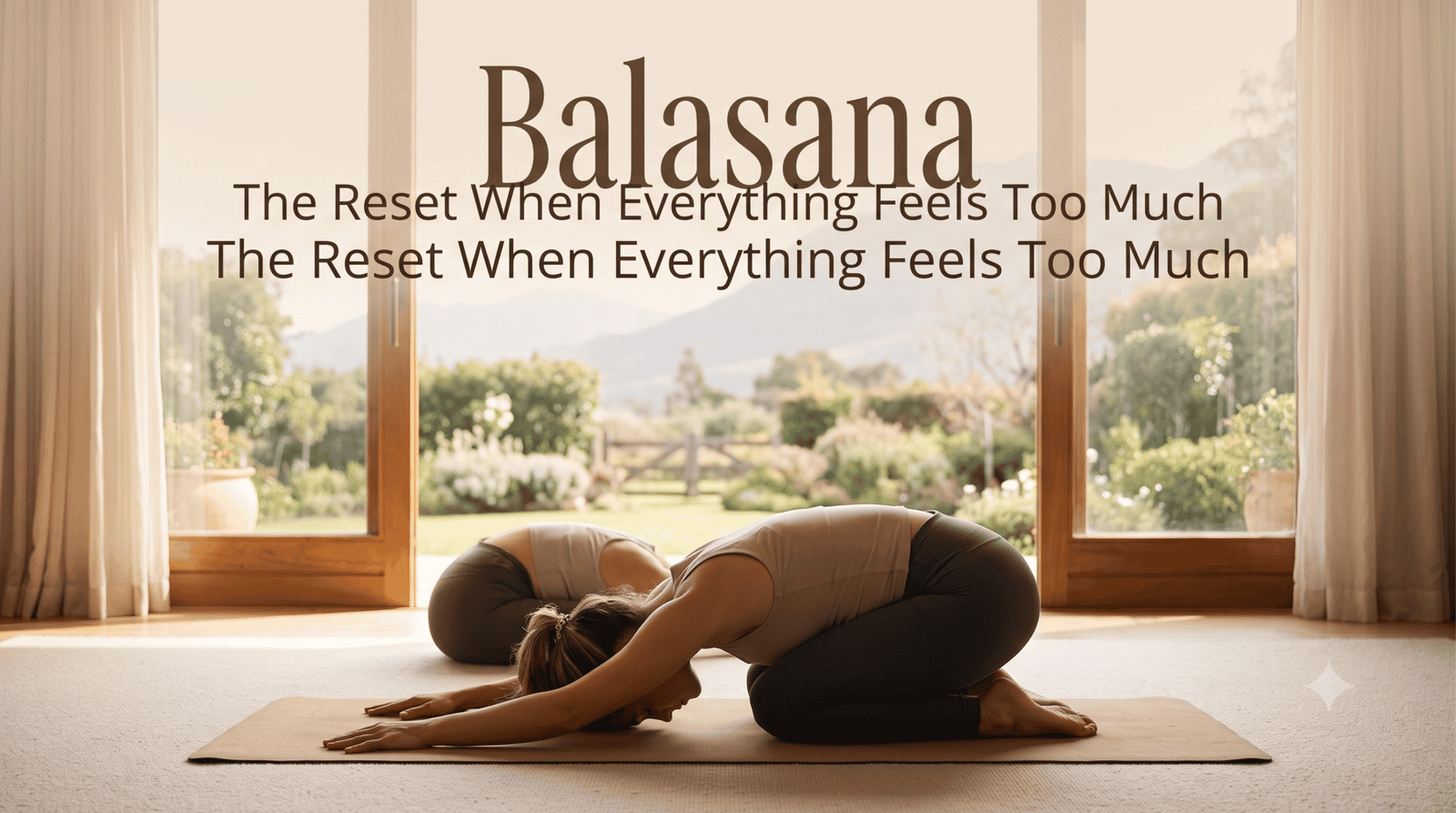
Balasana: The Reset When Everything Feels Too Much
Balasana (Child's Pose) is the yoga world's universal reset button. It calms the nervous system, gently stretches the back and hips, and gives the…
· 1-5 minutesThe 5-Minute Morning Flow: Reach, Fold, Lunge, Stand
Five minutes, one sequence, every morning: reach up, fold, step back into a lunge, and rise again. It wakes the whole body and is short enough to…
· 5 minutes